The Home That Fred Built: The Vision That Transformed Rutgers into an Ocean Science Leader
How Rutgers Marine and Coastal Sciences became a global leader in ocean science and public engagement.
In the mid-1980s, two scientists, J. Frederick Grassle and Christopher von Alt, sat in a pub, scribbling ideas on a napkin. What they imagined was revolutionary: a “permanent window to the sea” — a way to observe the ocean in real time, unlocking its secrets as they happened.
Rutgers University was just the right place to turn that dream into reality.
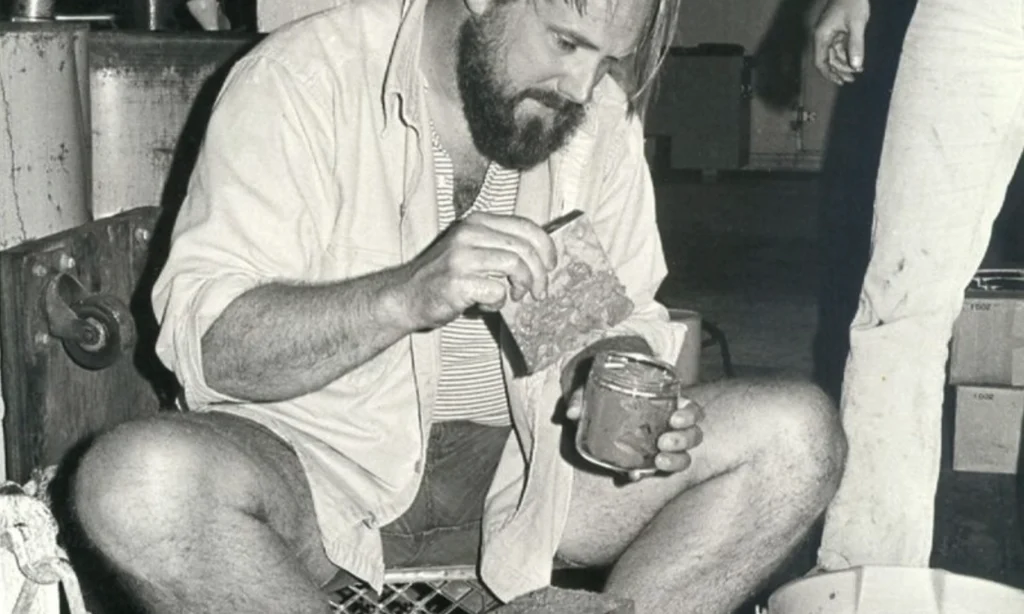
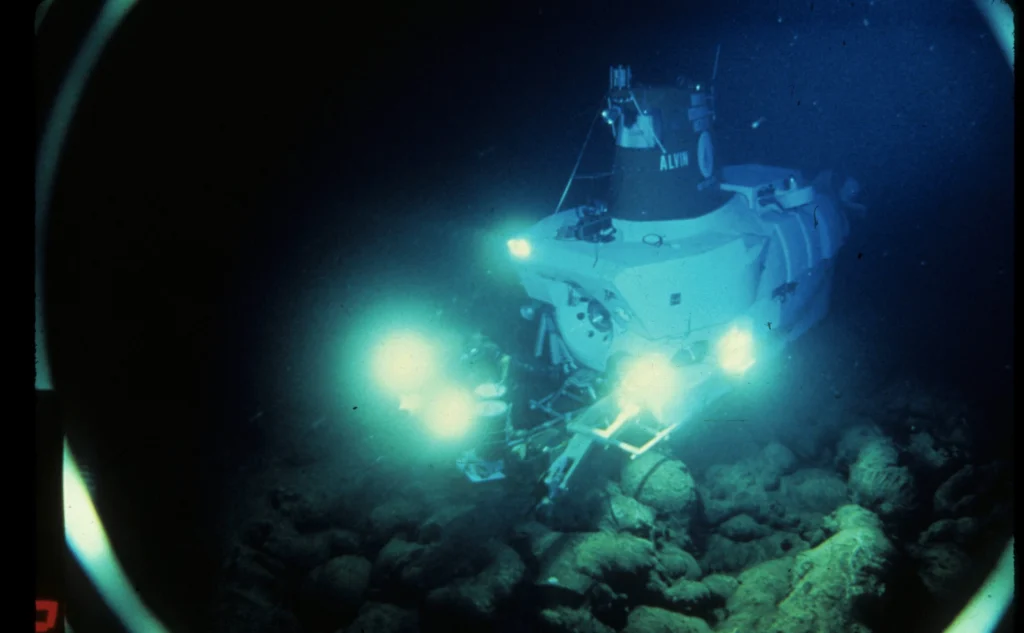
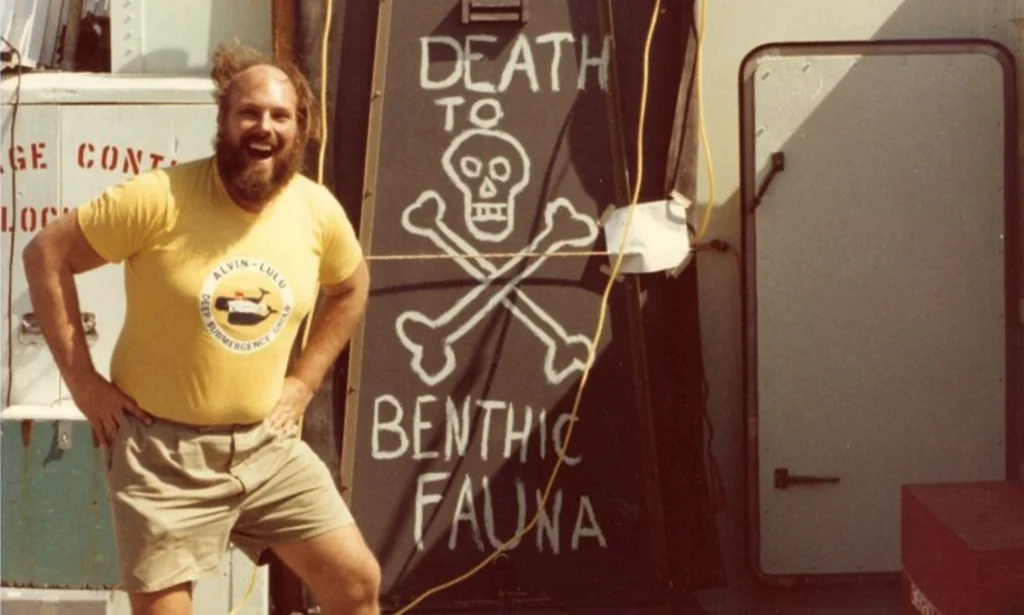
By 1989, Grassle — already a trailblazer in marine biology for his work on deep-sea hydrothermal vents — joined Rutgers with a bold mission: to build a world-class oceanography institute. At the time, Rutgers’ marine science efforts focused mainly on shellfish and coastal studies. But Grassle envisioned more.
He imagined a place where scientists from diverse disciplines could collaborate to explore the ocean’s role in climate, ecosystems, and global change. That vision became the Institute of Marine and Coastal Sciences (IMCS)—a hub of innovation, discovery, and global impact.
From a Vision on a Bar Napkin: IMCS Journey to Excellence
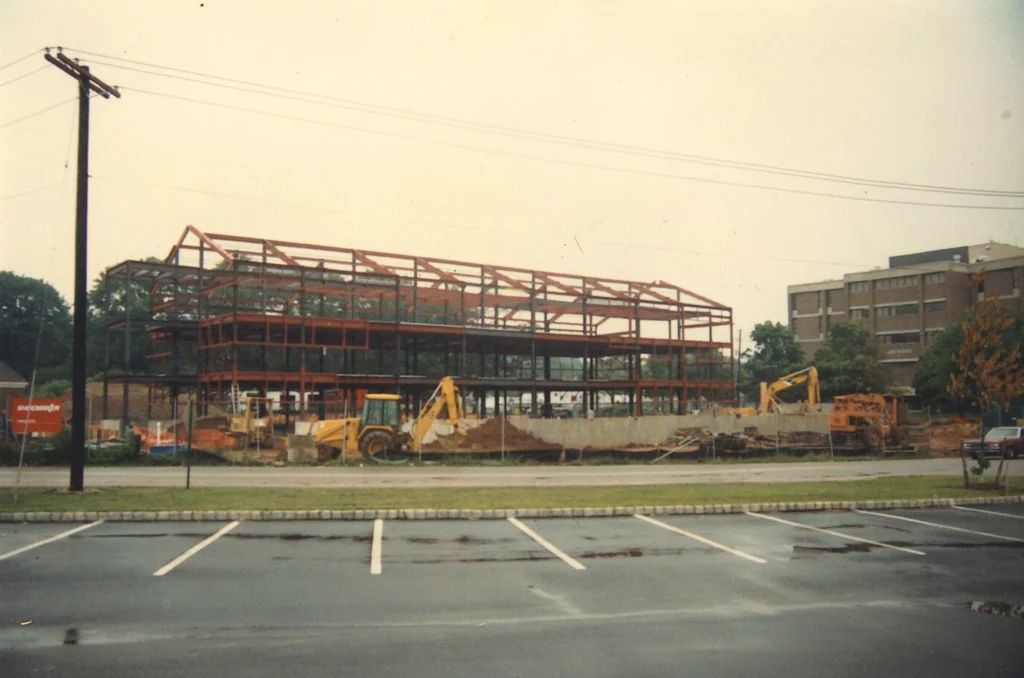
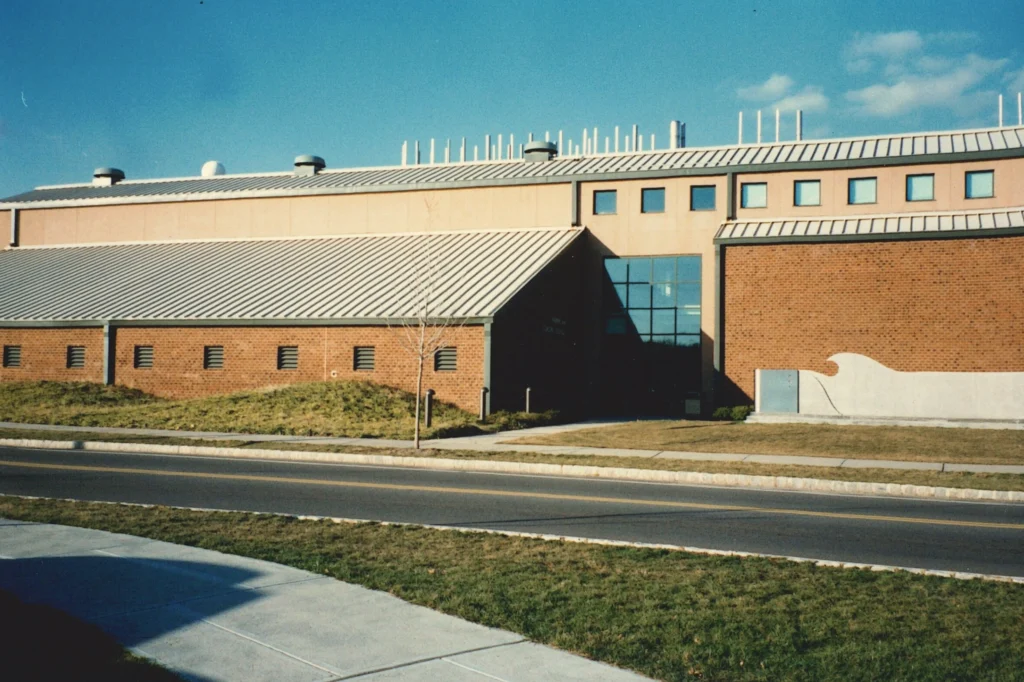
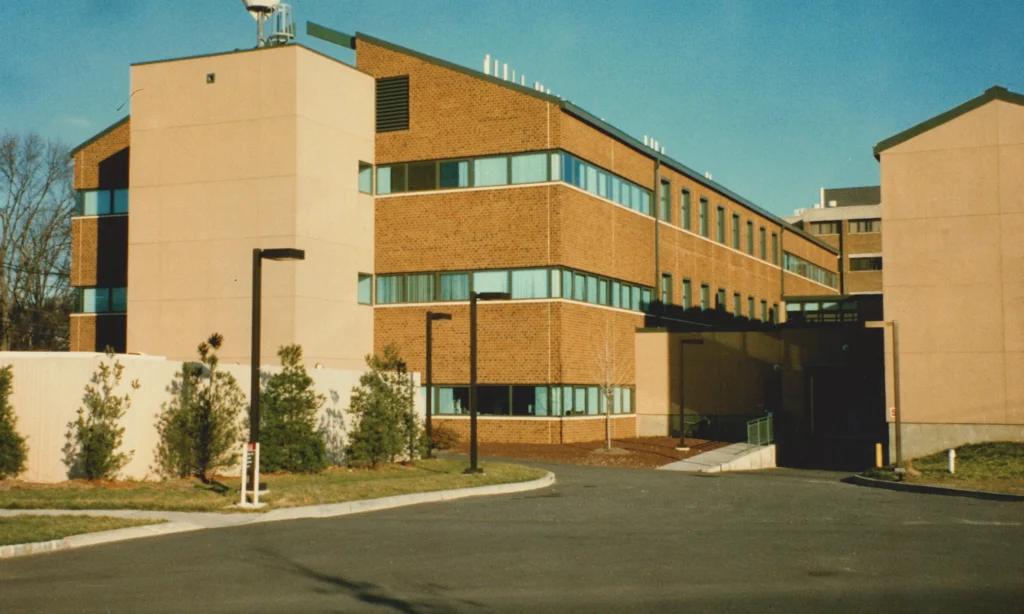
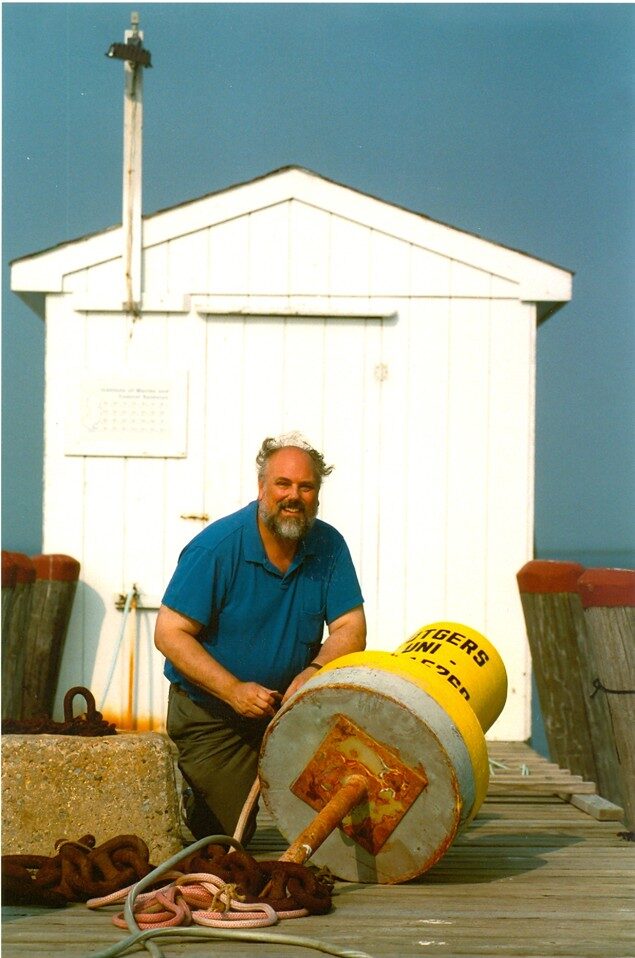
Rutgers hired renowned deep-sea biologist Fred Grassle in 1989 to lead the IMCS and spearhead the construction of the Insitute’s main building.
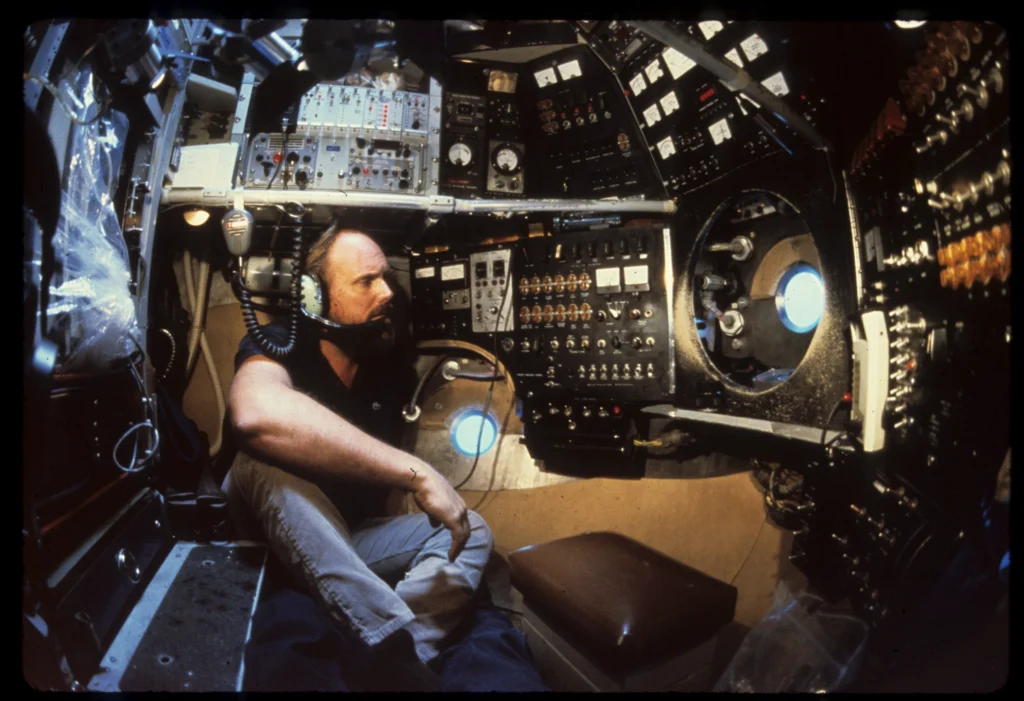
Dr. Rich Lutz, Distinguished Professor, was 1½ miles under water during the 1991 groundbreaking for IMCS but was patched in by phone to bear witness to the vision becoming reality. The bulk of funding for IMCS came through the Port Authority of New York and New Jersey. The Institute was built on the George H. Cook campus — not Busch campus where numerous science programs were located, because the Port Authority funding mandated it be within 25 miles of the Statue of Liberty, Lutz explained.
Lutz led the search committee that lured Grassle from Woods Hole Oceanographic Institution in Massachusetts in 1989. “One of the proudest moments of my career was hiring Fred,” he said.
Fred began with the recruitment of talented oceanographers from diverse disciplines ultimately bringing in 10 new faculty hires, nine post-doctorates and 18 graduate assistants. The university’s Department of Oyster Culture and the Center for Coastal and Environmental Studies were folded into the new institute. Eighty faculty from across the university eventually became engaged in IMCS.
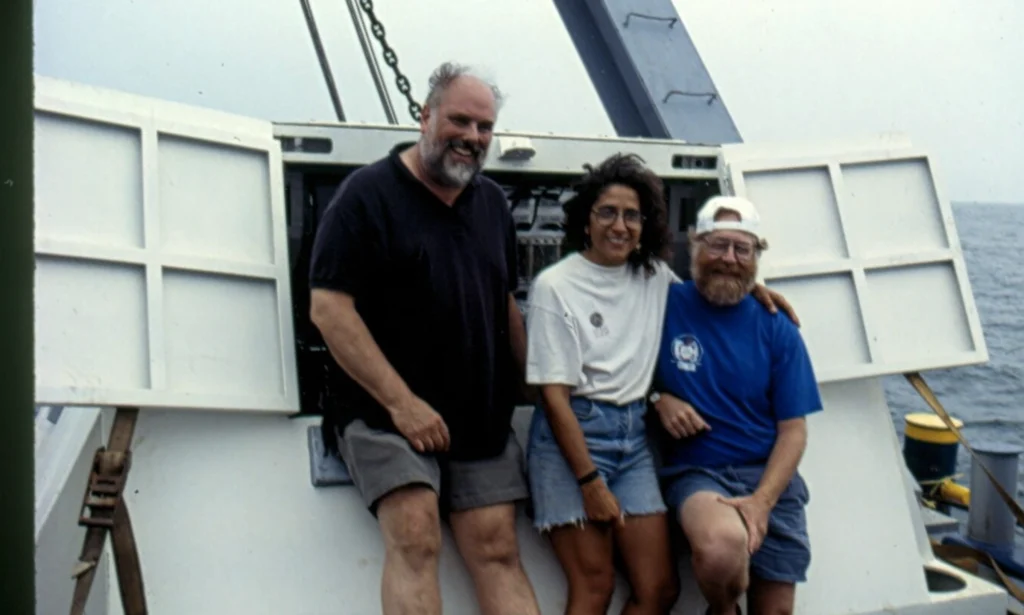
“Fred’s vision was to do outstanding research, develop technology to support that research, and to share that research so it could inform decision-making,” said Michael De Luca, who served as an IMCS associate director and was Grassle’s first hire. “Nobody worked for Fred. You worked with Fred. That was a key part of his personality and his approach to management,” said De Luca. “He recruited top-notch scientists, gave them the opportunity to succeed.”
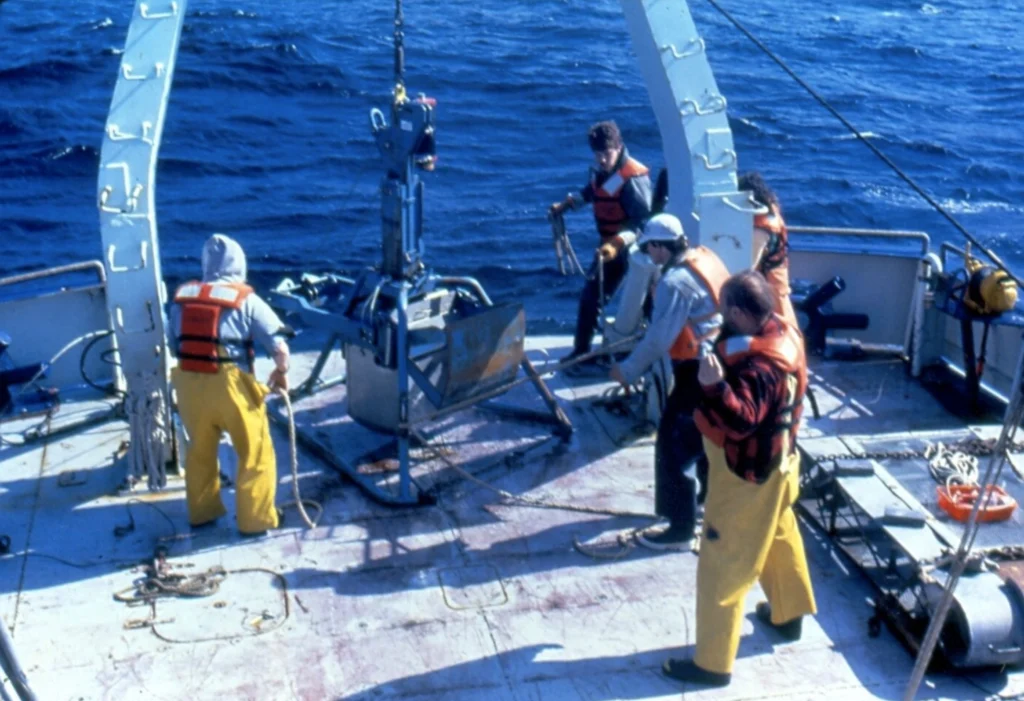
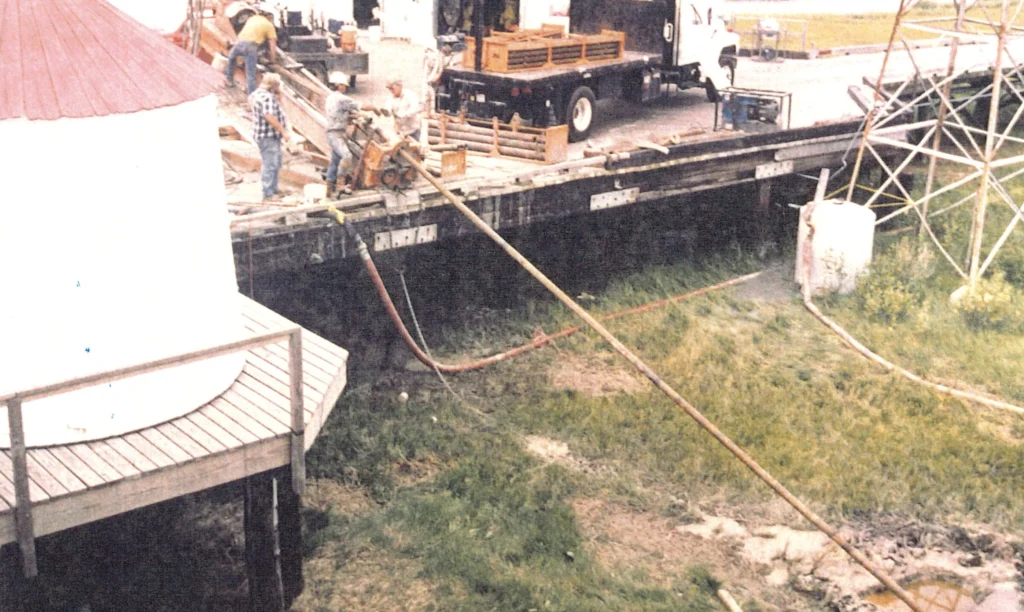
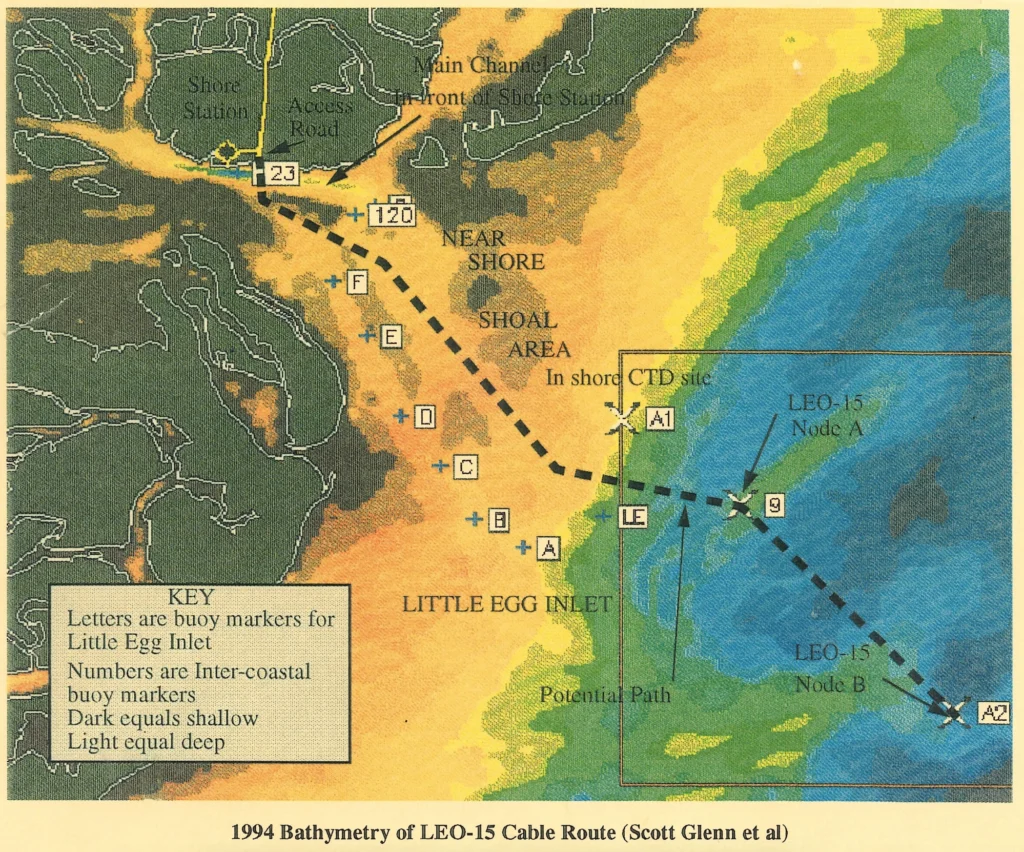
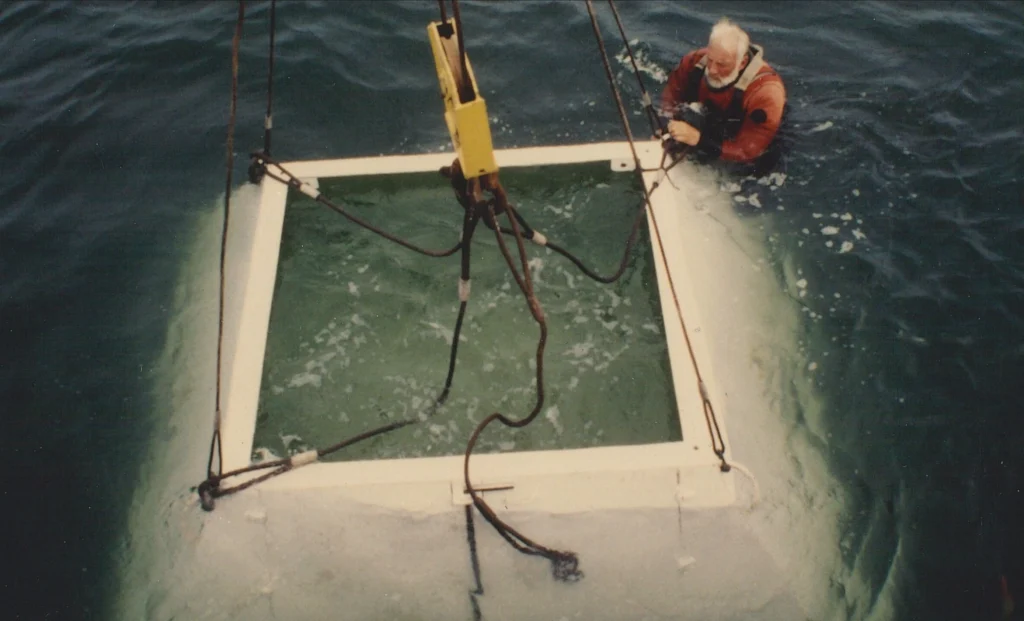
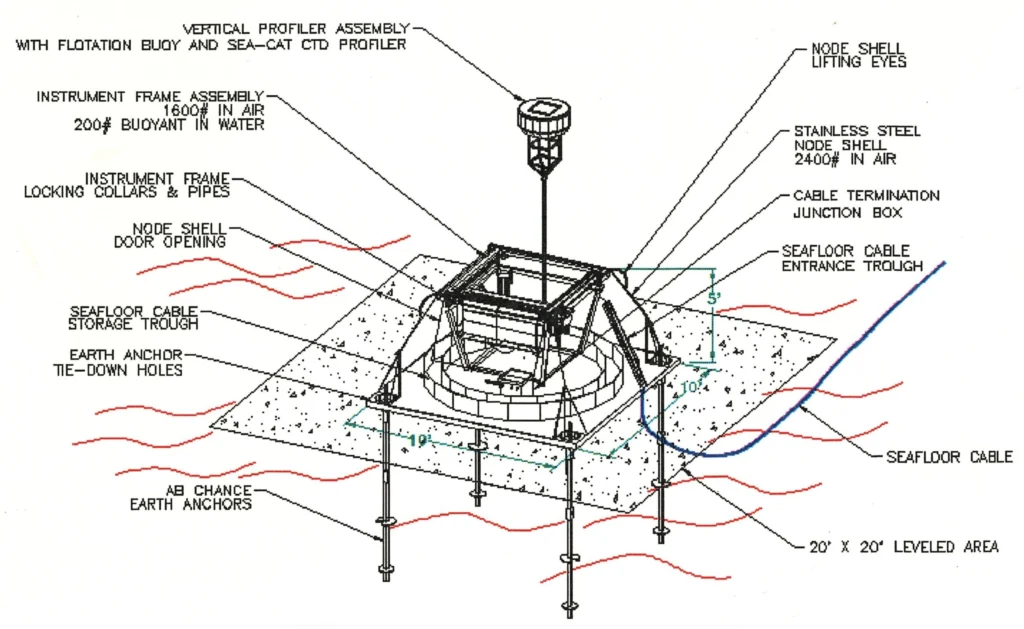
Over the next five years, Fred would also go on to realize the vision he and Christopher von Alt laid out, creating the world’s first long-term ecological observatory. Scientists installed an electro-optical cable 15 meters below the ocean surface to transmit real-time data about the marine environment from several miles off the Jersey coast. The LEO-15 Observatory transformed how researchers could study the ocean—instead of waiting for episodic research cruises aboard ships, they could now monitor the coastal ocean continuously.
Bridging Science and Public Understanding
Long before the National Science Foundation formally required “broader impacts,” Grassle had already made public engagement a core part of IMCS. He hired a dedicated outreach specialist to help scientists connect their research with the public, laying the foundation for a culture of science communication and education.
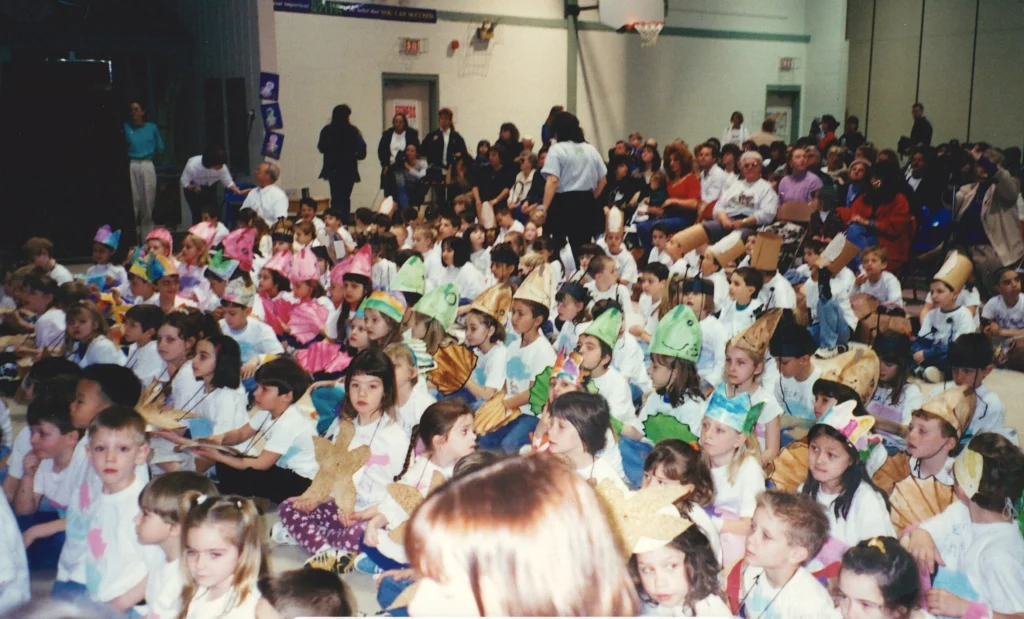
“Broader impacts have always been front and center,” said Distinguished Professor Richard Lutz, who directed IMCS from 2011 to 2014. Grassle’s vision was threefold: conduct outstanding research, develop the technology to support it, and share it widely to inform decision-making. That vision led to initiatives like Project Tomorrow, the first K–12 science education program at a marine science institution, and IMCS’s designation as one of five NSF-funded Centers for Ocean Sciences Education Excellence (COSEE).
IMCS empowered K–12 educators to use real-time data from the LEO-15 observatory in their classrooms, helping students connect with ocean science in meaningful ways. “It was an investment in the future,” said Michael De Luca, who also worked with Fred to establish the Jacques Cousteau National Estuarine Research Reserve in Tuckerton, NJ. De Luca now serves as the reserve’s manager and senior associate director in the New Jersey Agricultural Experiment Station’s Office of Research. “Our mission was to ensure we have an informed public who understand the pressing coastal challenges and engage in stewardship.”
In the early 1990s, oceanography faculty in the department including Scott Glenn and Oscar Schofield began posting satellite ocean data online—despite resistance from companies that sold such information. They made the data accessible to educators, anglers, and the general public. “We realized we needed an entry-level website for people other than hardcore scientists,” Schofield said.
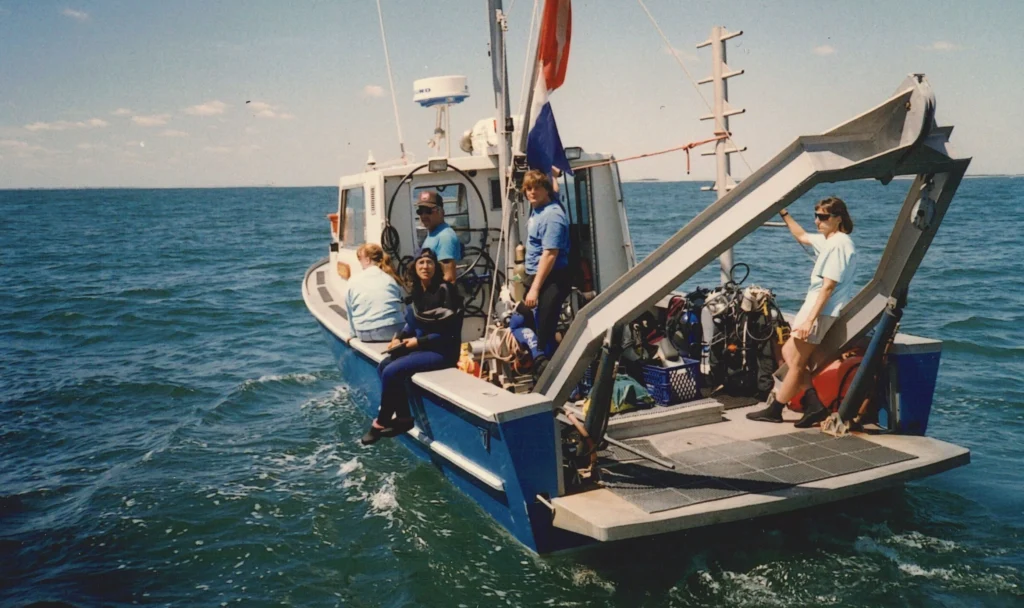
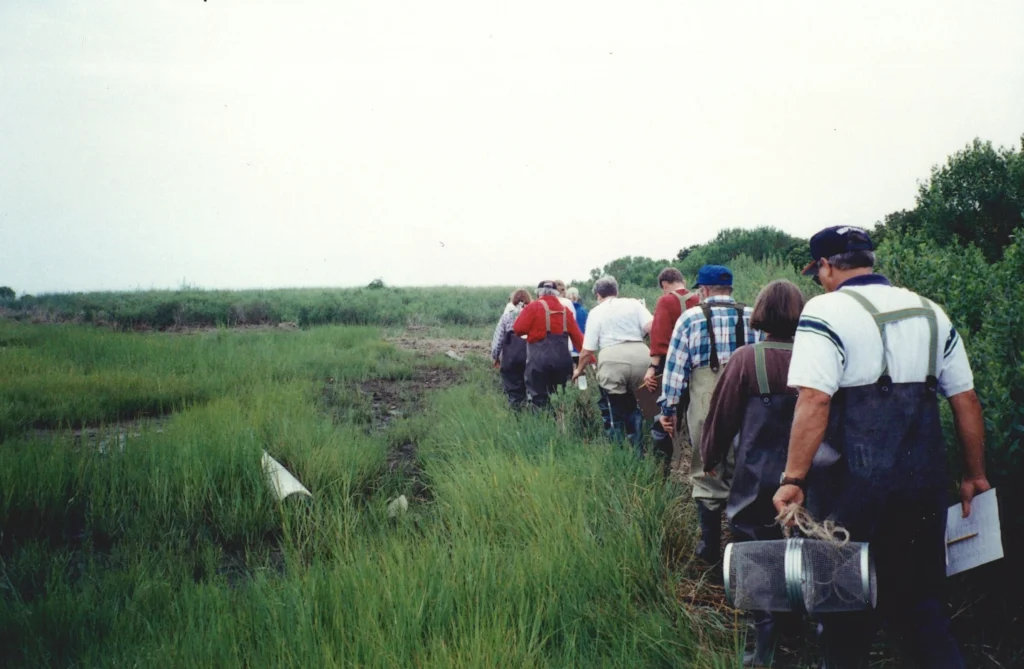
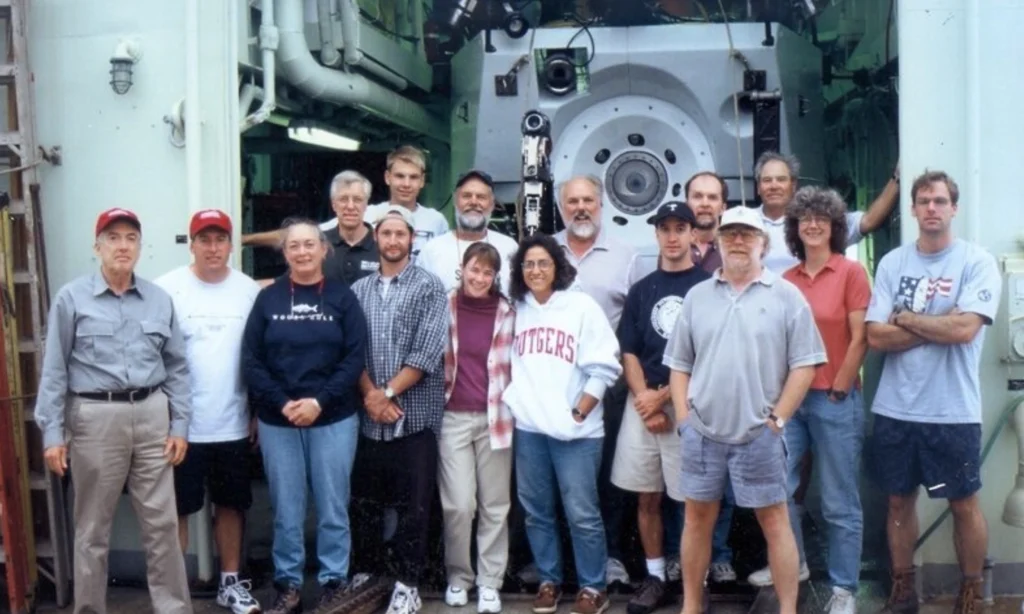
This commitment to what is now called open science extended to the field. For four summers, the Rutgers Marine Field Station in Tuckerton hosted large, Navy-funded research projects that brought together over 200 scientists—and more than two dozen elementary and middle school teachers. “These educators watched in real time as robots collected offshore data, cheering alongside researchers when a glider successfully docked after several failed attempts”, recalled Outreach Specialist Janice McDonnell.
To bring students into the fold, Schofield and Glenn created the Coastal Ocean Observation Lab (COOL) with Fred’s support. The new Lab became a key part of the Institute’s success on the New Brunswick campus, giving undergraduates access to the same real-time data as field scientists.
In 2005, NOAA challenged Rutgers to build a deep-sea glider and have students pilot it across the Atlantic. After a shark ended the first attempt in 2008, students and faculty built another: RU27, the Scarlet Knight. Its successful journey was later captured in the acclaimed 2010 film Atlantic Crossing: A Robot’s Daring Mission, produced in collaboration with Rutgers’ English department.
Grassle’s legacy lives on in a department where science, education, and public engagement are deeply intertwined—inviting students, teachers, and communities to explore and protect the ocean together.
A Dynamic Couple
Grassle’s wife, Professor Judith Grassle, a benthic ecologist and member of the IMCS faculty, created the marine science major at Rutgers. Until then, undergraduates interested in the field majored in biology, chemistry, physics or math, Judith Grassle said.
She mentored undergraduates and supported her husband’s vision for the Institute. “Fred and I were devoted to studying the ocean, and we wanted to share that with the next generation,” she said.
Judith Grassle retired from Rutgers in 2015, three years after her husband. “I’ve been reading my husband’s diary from when he first arrived at Rutgers,” she said. He recorded minute details of the institute’s early days, noting each person he met and what they were doing, she said.
“We were a powerhouse with immense resources,” Lutz recalled. Within 10 years, IMCS was among the NSF’s top 10 grant winners — “an unbelievable feat,” Lutz said. By 2011, it was ranked fourth in the world’s oceanography institutes by Thomson Reuters Corp.
Impactful Legacy
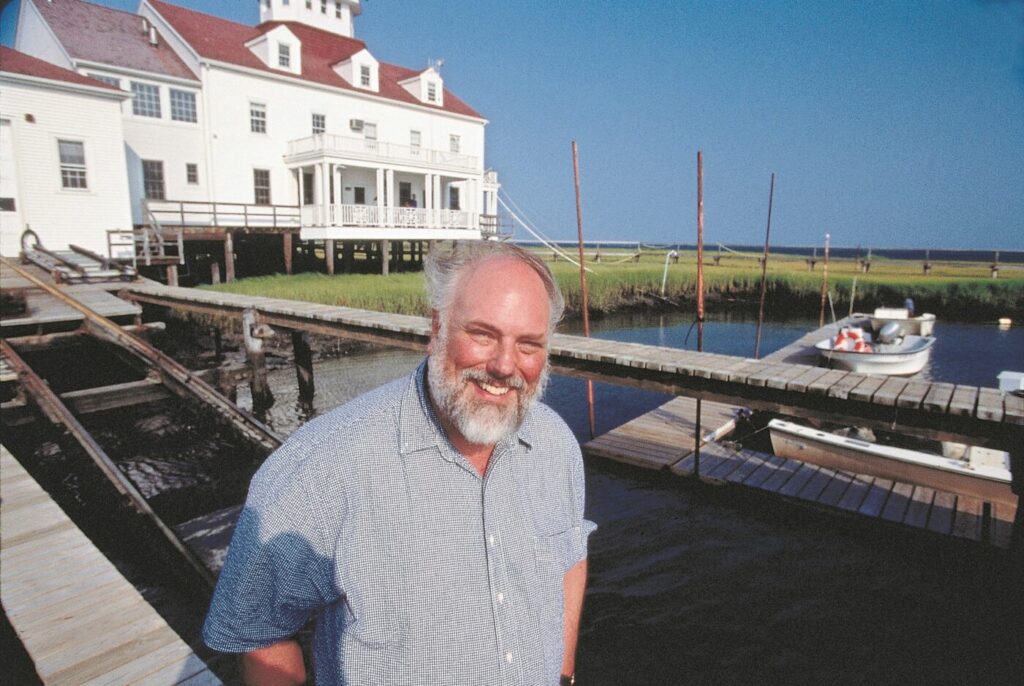
Though the institute was folded into a larger academic unit in 2014, the legacy of what Grassle created remains. At the Department of Marine and Coastal Sciences, the ripple effects in research and outreach continue.
The faculty and staff of Rutgers Marine and Coastal Sciences continue to lead groundbreaking research in ocean observing systems, climate change, deep-sea ecosystems, marine microbiology, and sustainable fisheries. From deploying autonomous gliders across the globe to studying Antarctic ecosystems and ocean acidification, the department is at the forefront of understanding and protecting our oceans.
After Grassle’s death in 2018, Lutz described him as “a rare soul who devoted his life to creating and growing a scientific crown jewel … and, more importantly, nurturing everyone and everything around him.”
Schofield, now Chair of the Department of Marine and Coastal Sciences, captured it succinctly when he said, “Without him and Judy, there would be no modern oceanography program at Rutgers.”
The department remains “the home that Fred built.”
Written by Margaret McHugh. Edited by Mitaali Taskar and Janice McDonnell. Photo layout by Sage Lichtenwalner Special thanks to Judy Grassle, Rose Petrecca, and the entire DMCS family for sharing their memories and photos. This article is part of Stories of our Science Impact, showcasing how Rutgers researchers advance their Broader Impacts mission by addressing real-world challenges through science.